The impact of environmental issues on human.
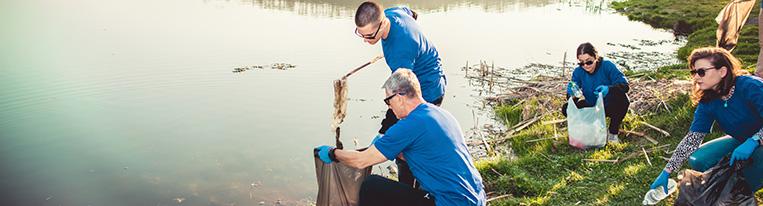
More than 12 million people around the world die every year because they live or work in unhealthy environments.1 Healthy People 2030 focuses on reducing people’s exposure to harmful pollutants in air, water, soil, food, and materials in homes and workplaces.
Environmental pollutants can cause health problems like respiratory diseases, heart disease, and some types of cancer.2 People with low incomes are more likely to live in polluted areas and have unsafe drinking water. And children and pregnant women are at higher risk of health problems related to pollution.3,4
Tracking environmental pollutants is key to figuring out where and how people are exposed. Laws and policies to reduce different types of pollution can also help prevent many serious health problems and deaths.
Climate Effects on Health
PrintClimate change, together with other natural and human-made health stressors, influences human health and disease in numerous ways. Some existing health threats will intensify, and new health threats will emerge. Not everyone is equally at risk. Important considerations include age, economic resources, and location.
In the U.S., public health can be affected by disruptions of physical, biological, and ecological systems, including disturbances originating here and elsewhere. The health effects of these disruptions include increased respiratory and cardiovascular disease, injuries and premature deaths related to extreme weather events, changes in the prevalence and geographical distribution of food- and water-borne illnesses and other infectious diseases, and threats to mental health.
National Center for Biotechnology Information https://www.ncbi.nlm.nih.gov/pmc/articles/PMC7157458

Comments
Post a Comment